






Friedrich Merz: Aufstieg, Macht und neue Herausforderung als Bundeskanzler

Friedrich Merz ist eine der prägenden Figuren der deutschen Politik – konservativ, erfahren und trotz früherer Rückzüge immer wieder präsent. 2025 hat er einen bedeutenden Karrierehöhepunkt erreicht: Er wurde zum Bundeskanzler gewählt. Deutscher Bundestag+2Deutscher Bundestag+2 Wer ist Friedrich Merz? Der schwierige Weg ins...

















Why Practicing Digital Minimalism Is Useful and How to Start
In today’s hyper-connected world, it’s easy to feel as though our attention is constantly pulled in a dozen different directions. Between endless notifications, the pressure to stay active on social media, and the blur of emails and digital tasks, many of us rarely get a moment of true mental stillness. This is where digital minimalism comes in. More than just a tech trend, it’s a philosophy of reclaiming control over your digital life so that technology serves you rather than the other way around. Practicing digital minimalism doesn’t mean abandoning your devices completely—it means using them with intention, trimming away the noise, and focusing your time and attention on the tools and interactions that genuinely bring value. The benefits of this shift can be profound: reduced stress, sharper focus, and a stronger sense of presence in daily life. By stepping back and reassessing which digital platforms or tools are actually improving your well-being, you give yourself the chance to live more deliberately. Starting is often easier than people think. Small steps, like turning off non-essential notifications, setting designated times to check email, or choosing to log off social media for a limited stretch, can build momentum. Over time, these conscious decisions add up to a healthier relationship with technology. The goal is not digital abstinence but mindful engagement—a balance where tech enhances your life instead of overwhelming it. With consistency, you may find that space once crowded by distractions becomes fertile ground for creativity, meaningful conversations, and a deeper appreciation of the present moment.

How to Identify Which Technologies Your Business Really Needs
In today’s fast-moving digital landscape, businesses are constantly bombarded with new tools, platforms, and systems that all promise to revolutionize productivity or unlock growth. Yet the reality is that not every innovation is a good fit for every organization. The challenge many leaders face isn’t a lack of available technology, but rather knowing how to separate the genuinely useful from the distracting and unnecessary. Choosing the right technologies starts with understanding where your business is headed and what goals you need to achieve. A flashy app might look appealing, but if it doesn’t connect with your long-term strategy or solve a clear problem, it can easily become an expensive distraction. Identifying your business’s true needs often begins by asking practical questions: Which processes slow us down today? Where are we losing valuable time or resources? What opportunities are we missing because of outdated systems or manual tasks? By framing technology as a tool to address specific gaps, rather than a trend to keep up with, companies can avoid the trap of adopting solutions that don’t provide real value. Equally important is involving the right people in the decision-making process. A piece of software may look promising from a management perspective, but if the employees who will rely on it daily find it clunky or redundant, the investment may fall flat. Businesses that succeed in making wise technology choices tend to focus on alignment—matching capabilities with both their operational realities and forward-looking aspirations. Instead of chasing every new development, the most effective organizations implement technologies that build efficiency, support growth, and enhance customer experiences. Finding that balance requires discipline, clarity, and a willingness to prioritize function over novelty.

Daily Habits That Help Maintain Productivity
In today’s fast-paced world, productivity has become more than just a buzzword—it’s a necessity for balancing the competing demands of work, personal growth, and everyday responsibilities. While many people chase elaborate systems or expensive tools to stay on top of their tasks, the truth is that productivity often comes down to consistent daily habits that create structure and energy. Simple practices such as starting the day with a clear plan can make a significant difference. A short morning review of priorities sets the tone and helps avoid decision fatigue later on. Equally important is breaking work into focused intervals with meaningful breaks in between; this rhythm not only prevents burnout but also encourages sharper concentration when it really matters. Healthy routines outside of work, like regular exercise, staying hydrated, and keeping to a consistent sleep schedule, also play a surprisingly powerful role in maintaining energy levels and focus through the day. Another often overlooked habit is knowing when to step away from multitasking. While juggling several things at once may feel efficient, it usually reduces accuracy and drains mental resources more quickly. Concentrating on one task at a time tends to produce better results and leaves room for a greater sense of accomplishment. Even small moments of mindfulness, such as pausing to reflect before moving to the next responsibility, can ground the mind and make the workload feel more manageable. At its core, maintaining productivity is not about doing as much as possible, but about creating sustainable routines that keep motivation steady and make progress feel achievable day after day.

How to Keep Your Personal Data Safe Online
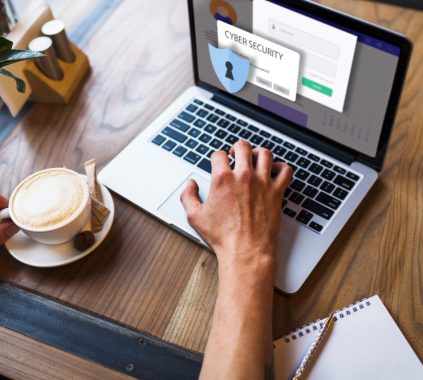
In today’s hyper-connected world, the convenience of the internet often comes with a hidden cost: the vulnerability of personal data. From the moment we log into an email account to the second we make an online purchase, we are leaving digital footprints that can be traced, stored, and, in some cases, exploited. Cybercriminals are constantly developing new tactics to gain access to personal information such as passwords, banking details, and even social security numbers. This makes the responsibility of safeguarding our data not just a matter of privacy, but a matter of personal security. The good news is that with awareness, vigilance, and a few practical measures, individuals can drastically reduce their risk of falling victim to data breaches or identity theft. Protecting personal data online goes far beyond simply using strong passwords—though that remains one of the most essential first steps. It also involves enabling multi-factor authentication whenever possible, keeping software up to date to patch security flaws, and being skeptical of suspicious links or attachments. Public Wi-Fi, while convenient, can also present dangers, and using a reliable virtual private network (VPN) can help shield online activity from prying eyes. Just as important is taking a mindful approach to what we share on social media, since oversharing personal information can make us easy targets. Cybersecurity is not a one-time effort; it requires ongoing attention and adaptability as technology and threats evolve. Most importantly, by cultivating safer online habits, individuals not only protect their own data but also contribute to a more secure digital environment for everyone.
